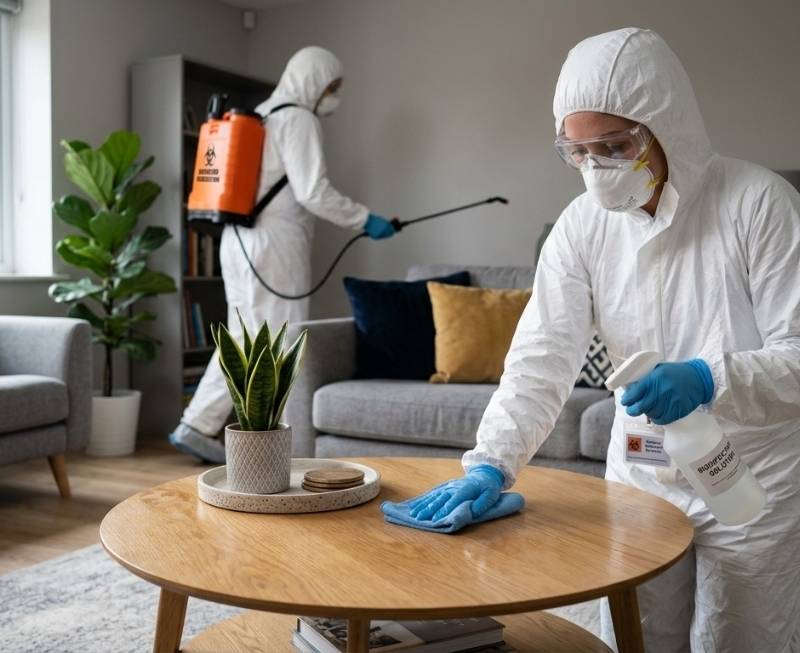
Emergency response anytime
Fully trained professionals
Complete peace of mind


We respond to unattended death situations across North East & North Yorkshire with the specialist training and equipment needed to restore properties safely. When a death goes undiscovered, contamination spreads rapidly through structural materials, creating serious health risks that standard cleaning cannot address.
Northern Cleanup handles the complete biohazard remediation process so property owners, property managers, and family members don't face these hazards themselves. Our teams work discreetly and compassionately, managing everything from initial assessment through to final verification that the environment is safe again.
We operate as an emergency service because unattended death cleanup cannot wait. The longer contamination remains, the deeper it penetrates into floors, walls, and furnishings, making restoration more complex and costly.
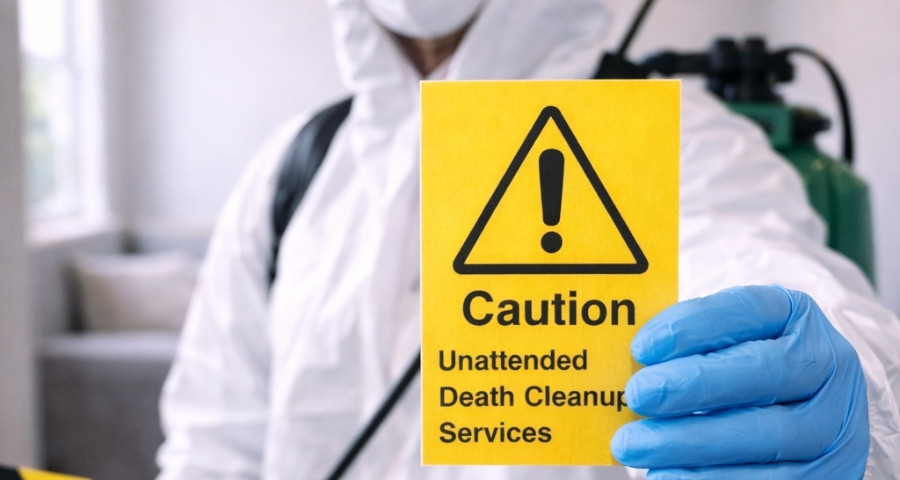
Unattended death cleanup addresses situations where a person passes away and their body remains undiscovered for an extended period. This creates contamination patterns entirely different from deaths discovered promptly by emergency services or family members.
When an unattended death occurs and goes undiscovered for 24 to 72 hours or more, decomposition advances to stages that release bodily fluids, gases, and biological material throughout the property. In the UK alone, tens of thousands of unattended deaths are recorded each year, with many occurring in private residences where individuals lived alone.
The cleanup we provide focuses specifically on advanced decomposition scenarios. Bodily fluids penetrate structural materials like floorboards and walls, odours embed into porous surfaces, and harmful pathogens spread beyond the immediate unattended death scene. Standard death cleaning services handle situations where contamination is contained, but unattended death cleanup requires specialist biohazard remediation techniques.
The human body begins releasing fluids and gases within hours after death. When discovery is delayed, these biological materials saturate everything they contact, creating contamination zones that extend far beyond where the deceased person was found.
Body fluids and other bodily fluids seep downward through carpets into underlay and floorboards, sideways into skirting boards, and outward across various surfaces. Decomposition gases permeate fabrics, furnishings, and wall cavities. What might appear as a localized issue actually affects entire rooms and sometimes adjacent spaces.
Unattended deaths are significantly more common among older adults and individuals living in social isolation. By the time discovery occurs, biological breakdown has often progressed to stages where a decomposing body has released substantial contamination. This creates affected areas throughout properties, not just at the immediate location.
The physical aftermath includes visible staining, but more concerning is the invisible spread of harmful bacteria and bloodborne pathogens into porous materials. These biological contaminants remain active and dangerous without specialist cleaning intervention, creating ongoing health risks even after visible contamination is removed.

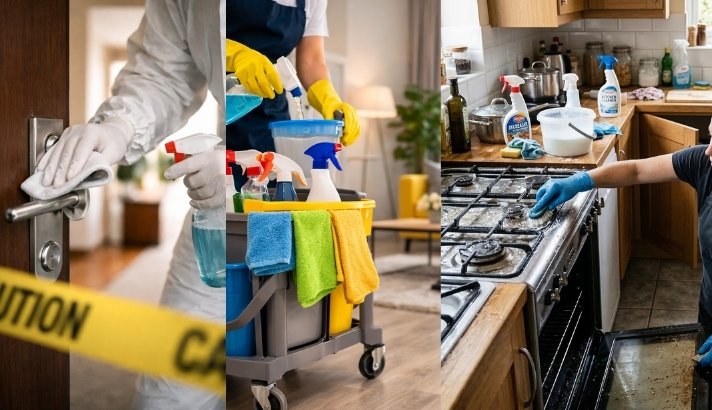
Unattended death scenes contain multiple categories of biohazardous materials that pose direct threats to anyone exposed without proper protection. Blood and bodily fluids can harbour bloodborne pathogens including hepatitis B, hepatitis C, and HIV, all of which remain viable in dried blood for extended periods.
The decomposition process generates harmful bacteria that multiply rapidly in the warm, moist environment created by tissue breakdown. These harmful pathogens spread through contact with contaminated surfaces and can become airborne during cleanup attempts without containment.
Biological contaminants associated with unattended death remain present and harmful for weeks or months if left untreated. Even small amounts of blood or body fluids that seem insignificant create serious health risks when handled improperly. Infectious materials don't need to be visible to be dangerous.
Decomposition also attracts insects and pests that feed on biological material and then spread contamination as they move through properties. This compounds hygiene risks and creates secondary contamination in areas that weren't originally affected. Properties affected by unattended deaths are often declared uninhabitable until professional remediation has been completed precisely because these health hazards make environments unsafe.
Trusted by homeowners, landlords, councils, and businesses across the North of England.
All technicians are trained and certified to industry standards.
Emergency response any time of day or night, 365 days a year.
Unmarked vehicles and confidential handling of every job.
A decade of trusted specialist cleaning across the North.
Trained professionals assigned to your specific cleaning needs.
We don't leave until the job meets our high standards and yours.
The smell associated with decomposition comes from complex chemical compounds released as tissue breaks down. These odour molecules don't sit on surfaces where they can be wiped away. They bind chemically to fabrics, penetrate porous materials, and saturate structural elements like drywall and timber.
Lingering odours from unattended death contamination can permeate entire properties, remaining embedded in materials for years without professional treatment. Standard air fresheners or cleaning products only mask smells temporarily because they don't address the chemical bonding that's occurred.
Biological decomposition releases odorous gas compounds that require chemical neutralisation, not surface cleaning. The molecules responsible for persistent smells have actually changed the chemistry of materials they've contacted. Advanced odour molecules can bind so deeply to fabrics and porous materials that replacement becomes necessary rather than cleaning.
We see this frequently in cases where discovery occurred after several weeks. The smell has penetrated so thoroughly into subfloors, wall cavities, and furnishings that superficial cleaning makes no lasting difference. HEPA filters and specialist air treatment equipment become essential to restore indoor air quality alongside chemical neutralisation of embedded odours.

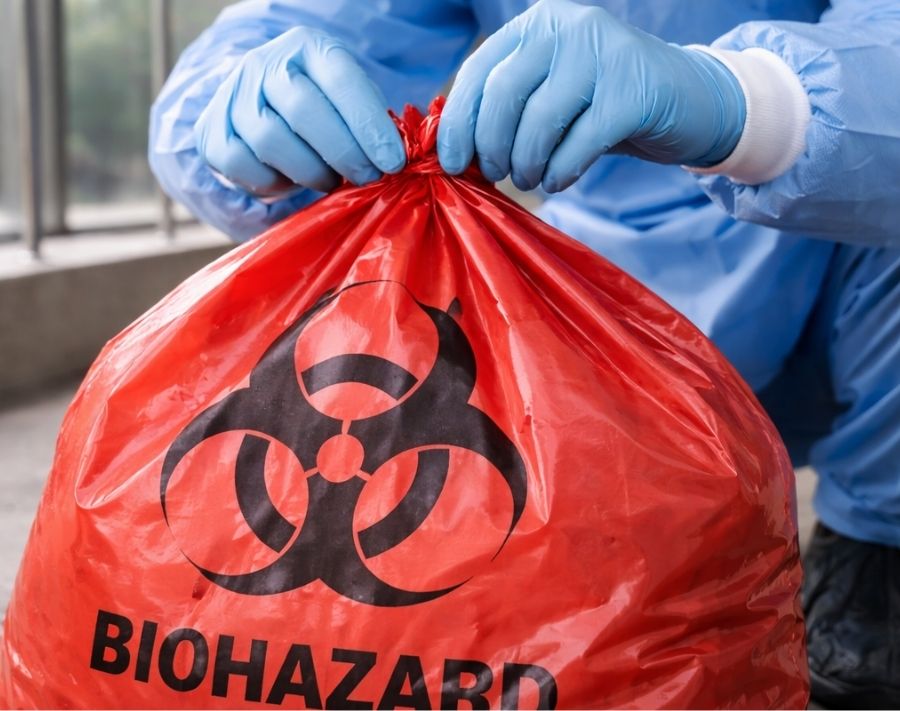
Discovering an unattended death is deeply distressing, and the visual impact of advanced decomposition creates trauma that loved ones shouldn't compound by attempting to clean themselves. The emotional toll of handling a family member's remains and belongings in such circumstances causes lasting psychological harm.
Beyond the mental health impact, physical risks to untrained individuals are substantial. Exposure to blood and bodily fluids without proper protective equipment can transmit diseases. Improper handling of biohazardous materials creates cross contamination that spreads pathogens to other areas and people.
Family members often underestimate the extent of contamination. What appears manageable from a doorway reveals itself as far more severe and emotionally distressing once cleanup begins. Personal belongings mixed with biological material require careful handling, and seeing a loved one's possessions in such conditions is traumatic.
Property owners face similar challenges with legal responsibility for ensuring properties are safe before being rented or sold again. Attempting inadequate cleanup creates liability if future occupants are exposed to contamination. The job requires professional expertise for both safety and legal compliance.
Northern Cleanup removes this burden completely. We handle everything from initial assessment through final restoration, allowing families and property managers to focus on other priorities during already difficult circumstances.
Our cleanup process begins the moment you contact us, often immediately after emergency services have released the unattended death scene. We provide rapid response because prompt cleaning limits how far contamination spreads and reduces the risk of structural damage from fluid saturation.
The first stage involves comprehensive risk assessment at the property. Our trained technicians evaluate contamination extent, identify all affected areas, and determine which structural materials can be cleaned versus what requires removal. This assessment informs our remediation plan and helps property owners understand the scope of work needed.
Containment follows assessment. We establish physical barriers and air pressure differentials to prevent further contamination spreading during the cleanup process. HEPA filters and negative air machines ensure airborne particles don't migrate to unaffected areas. This containment protects both our team and the broader environment.
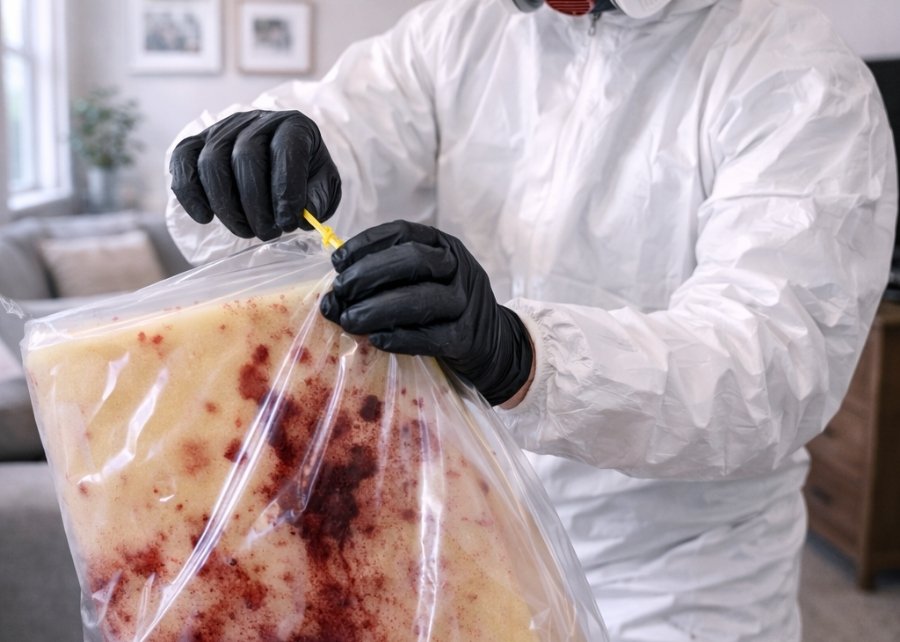
Removal of all biohazardous materials comes next. Everything contaminated beyond cleaning gets carefully extracted and packaged for regulated disposal. This includes carpets, underlay, portions of floorboards, furnishings, and personal belongings that have absorbed bodily fluids. All materials get double bagged to prevent leakage during transport.
Deep cleaning and decontamination treat every surface in affected areas using hospital-grade disinfectants effective against bloodborne pathogens and harmful bacteria. We don't just clean visible contamination but treat entire zones where biological material may have spread through contact or air movement.
Odour neutralisation involves chemical treatments that actually break down smell-causing compounds rather than masking them. Depending on severity, this may include thermal fogging, ozone treatment, or application of enzyme-based neutralisers that digest organic material at molecular level.
Final verification confirms the environment meets safety standards. We test air quality, verify surface cleanliness, and provide documented evidence that the property is restored to habitable condition. This documentation matters for property owners who need proof of professional remediation.
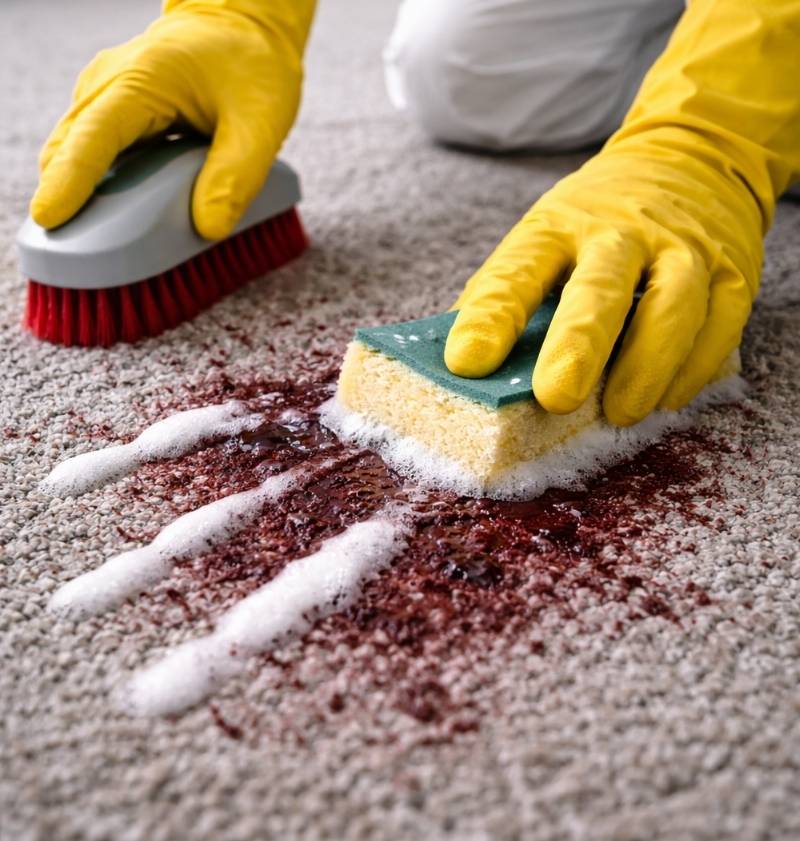
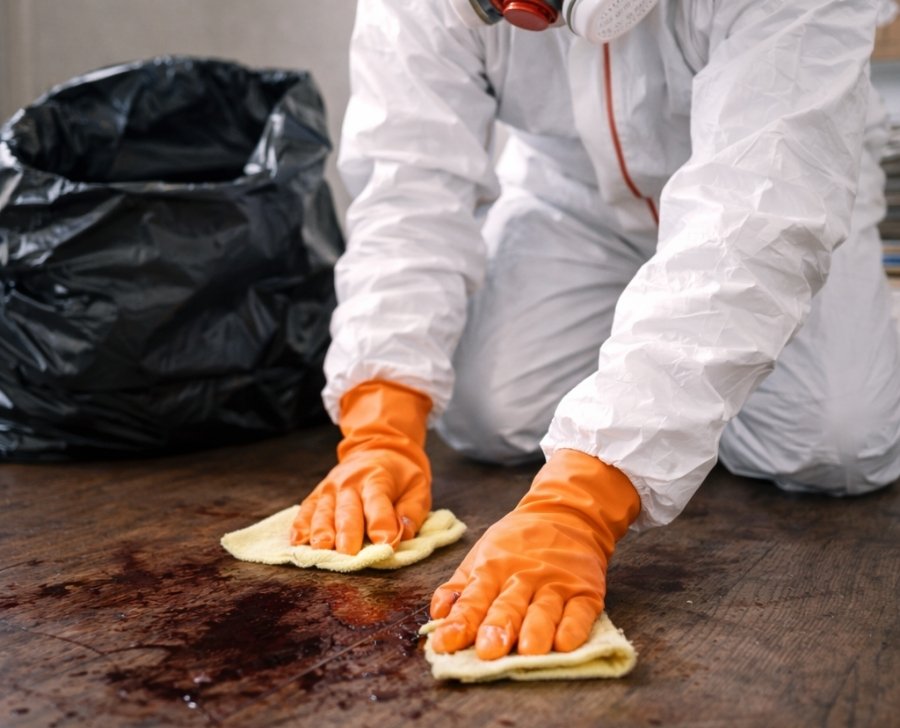
Cross contamination poses one of the biggest risks during unattended death cleanup if proper protocols aren't followed. Our teams in North East & North Yorkshire establish strict contamination control zones that separate affected areas from clean areas throughout the process.
We use specialist equipment including disposable protective suits, respirators, and multiple layers of gloves that get changed frequently as we move between spaces. Tools and equipment that enter contaminated zones don't leave without decontamination or disposal. This prevents biological material from being carried into clean areas.
Air management is equally important. HEPA filters capture airborne particles that become suspended when we disturb contaminated materials during removal. Negative air pressure in work zones ensures air flows inward, not outward toward unaffected parts of the property. This containment prevents airborne cross contamination that could spread harmful pathogens to areas that were initially clean.
All contaminated waste gets packaged immediately at the point of removal. We don't transport loose materials through properties. Everything goes into sealed, double bagged containers rated for biohazardous materials, then moved directly to transport vehicles along predetermined pathways that minimize contact with the broader property.
These containment methods are why professional unattended death cleanup achieves thorough decontamination where amateur attempts fail. Without proper barriers and protocols, well-meaning cleanup efforts actually spread contamination further, making the problem worse rather than resolving it.
Odour removal in unattended death cleanup goes far beyond ventilation or air fresheners. The chemical compounds responsible for decomposition smells have bonded with materials at molecular level, requiring treatments that break those bonds rather than simply covering them.
We start with source removal. Any materials saturated with bodily fluids get extracted and disposed of because no amount of cleaning will fully eliminate smells from items that have absorbed decomposition products. Carpets, padding, and porous furnishings often fall into this category when contamination is severe.
For structural materials and surfaces that can be saved, we apply enzyme-based treatments that digest organic compounds causing odours. These biological cleaners break down the actual source materials rather than just masking smell. The enzymes continue working over time, achieving deeper penetration than surface applications.
Thermal fogging introduces fine mist particles that penetrate the same spaces odour molecules have reached. These particles carry neutralising compounds into wall cavities, under flooring, and throughout air systems where odours have spread. The treatment reaches areas that can't be accessed for direct cleaning.
Ozone treatment follows for severe cases. Ozone generators produce molecules that react with and destroy odour-causing compounds at chemical level. This treatment requires complete property evacuation and careful timing but achieves neutralisation that other methods can't match when dealing with advanced decomposition odours.
Final air treatment with HEPA filters removes any remaining airborne particles and ensures indoor air quality meets acceptable standards. We continue monitoring until testing confirms no persistent odour remains and the environment is genuinely restored, not just temporarily improved.
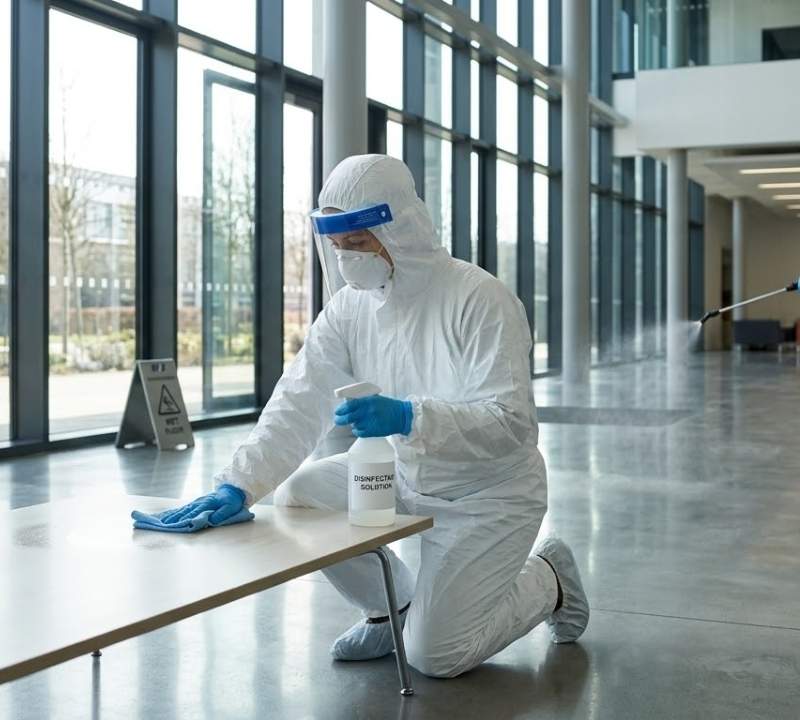
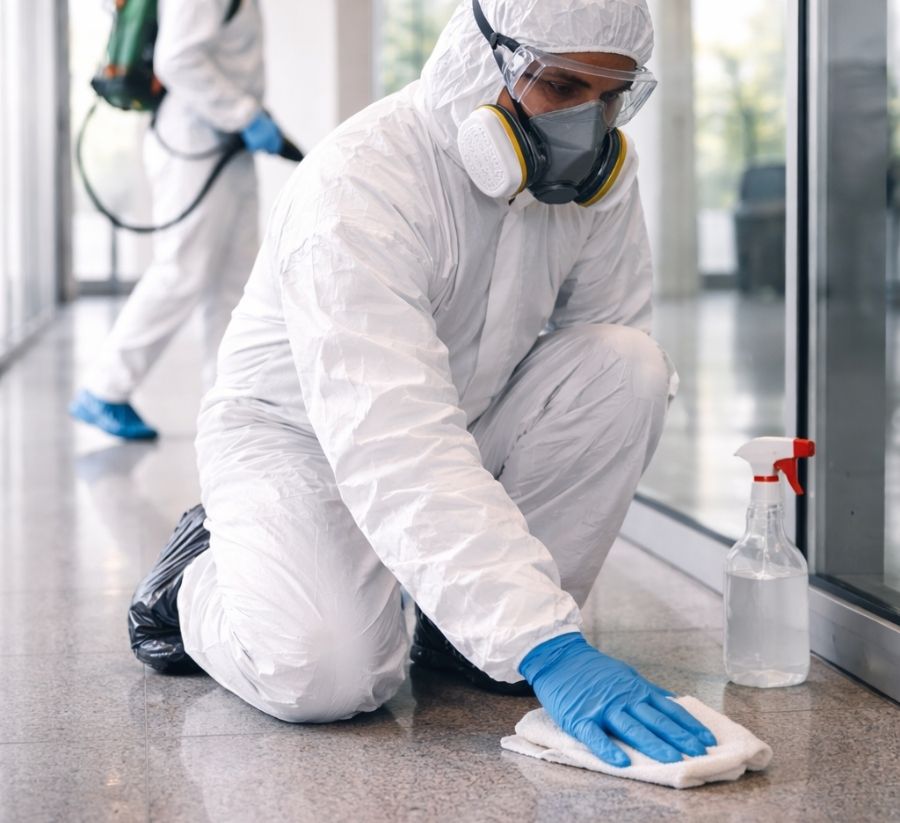
The complexity of unattended death cleanup means our teams must be trained in both infection control protocols and regulated waste handling procedures. Every technician completes certification in bloodborne pathogen handling, biohazard remediation, and proper use of personal protective equipment before working on any death cleaning jobs.
Specialist equipment includes commercial-grade protective suits with sealed seams, respirators with appropriate filters for biological aerosols, and multiple layers of disposable gloves. Standard cleaning equipment isn't sufficient because it doesn't provide necessary protection against serious health risks present in these environments.
HEPA filtration systems we deploy capture 99.97% of particles down to 0.3 microns, including bacteria, viruses, and fungal spores that become airborne during cleanup. These units create negative air pressure in work zones, ensuring contaminated air doesn't escape containment areas during the process.
Our chemical arsenal includes hospital-grade disinfectants effective against bloodborne pathogens, enzyme cleaners for organic material breakdown, and specialised odour neutralisers that work at molecular level. Each product gets selected based on the specific contamination types present and surfaces being treated.
We also carry structural assessment tools to identify hidden contamination in wall cavities, under flooring, and within building systems. Moisture meters, thermal imaging, and air quality monitors help us locate all affected areas, not just visible contamination. This ensures complete remediation rather than surface-level cleaning that leaves hidden hazards behind.
The investment in proper equipment and training separates professional death cleaning services from inadequate amateur attempts. Our capability to handle hazardous materials safely protects both our teams and property occupants while achieving thorough decontamination that meets regulatory standards.
Biohazardous materials from unattended death cleanup cannot simply go into standard waste bins. Strict health and safety regulations govern the handling and disposal of these materials, requiring specialised procedures and licensed facilities.
All items contaminated with blood, bodily fluids, or tissue get classified as hazardous waste. This includes carpets, furnishings, personal belongings, and structural materials that have absorbed biological material. We package everything in approved biohazard containers that are leak-proof, puncture-resistant, and clearly labelled according to legal requirements.
The double bagged approach we use involves placing contaminated materials in one sealed bag, then placing that bag inside a second sealed container. This redundancy prevents any leakage during transport and meets legal responsibility requirements for safe waste handling. Contaminated waste cannot expose anyone to health risks during transport to disposal facilities.
We maintain full documentation of what materials were removed, how they were packaged, and where they were disposed of. This documented evidence provides property owners with proof of compliant waste handling, which matters for both legal protection and peace of mind that hazardous materials were properly managed.
Transport to licensed disposal facilities follows regulated routes using vehicles equipped for biohazardous material transport. These facilities use incineration or other approved methods to destroy biological contaminants completely. We never use shortcuts or improper disposal methods that could result in environmental contamination or legal consequences.
This regulatory compliance is why specialist cleaning companies like Northern Cleanup should always handle unattended death cleanup rather than property managers or family members attempting the work themselves. The legal framework governing hazardous waste disposal is complex, and violations carry serious penalties.
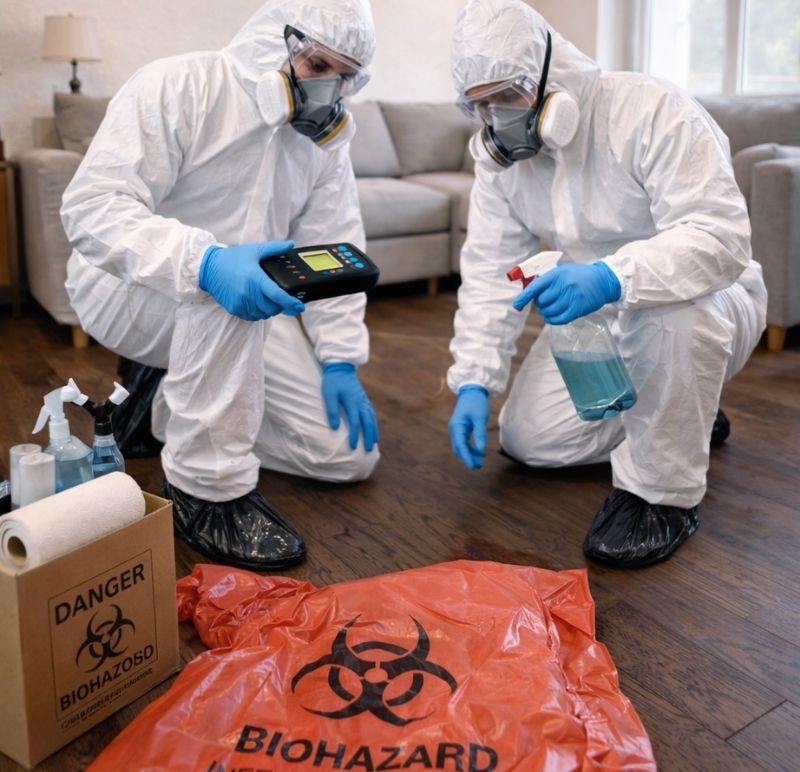
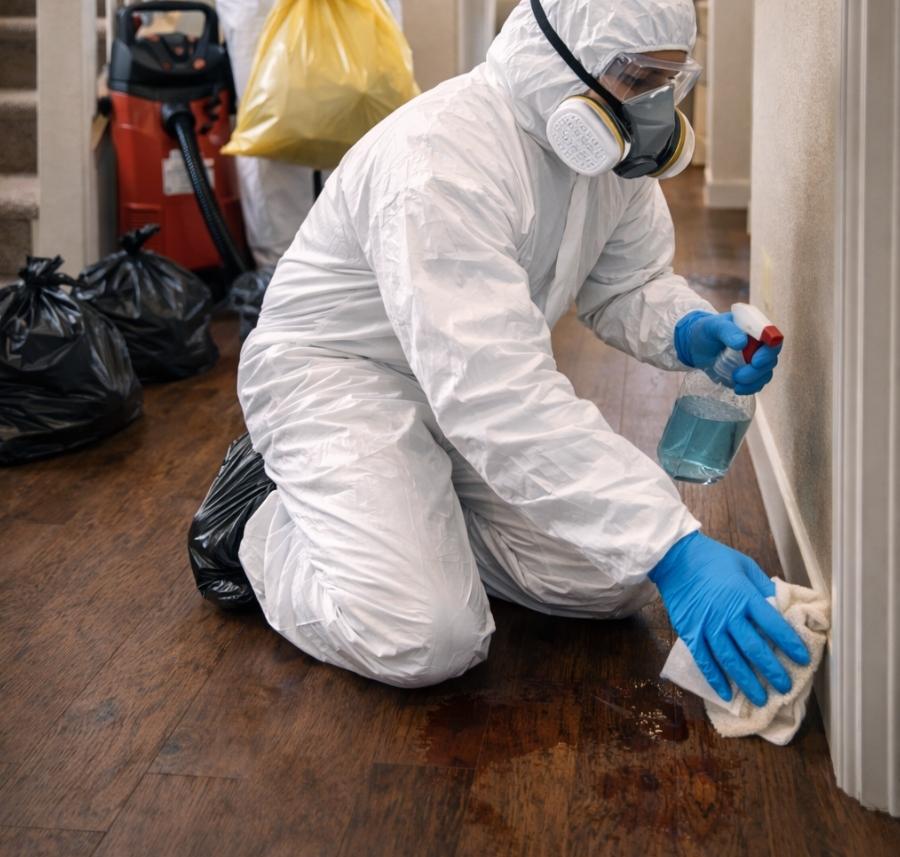
We understand that everyone affected by an unattended death faces unique challenges. Property managers deal with practical concerns about tenant safety and legal obligations. Property owners worry about structural damage and restoration costs. Family members cope with grief alongside the trauma of discovery.
Our approach adapts to each situation. When working with loved ones, we prioritise discretion and sensitivity, handling personal belongings with respect and maintaining clear communication about what we're doing and why. We never rush families through decisions about what can be salvaged versus what must be disposed of.
For property managers and property owners, we provide detailed documentation of contamination extent, remediation work performed, and verification that the property meets safety standards. This documentation supports insurance claims and provides evidence that legal responsibility for maintaining habitable conditions has been fulfilled.
We coordinate with emergency services, housing authorities, and other agencies involved in such situations. When police or coroners need access before we can begin work, we remain available for rapid response once the scene is released. This coordination ensures cleanup happens as quickly as possible while respecting investigative requirements.
Many property managers oversee multiple rental properties and need unattended death cleanup completed quickly to minimize vacancy periods. We understand these business realities while never compromising on safety or thoroughness. Our efficient processes balance speed with complete remediation.
The emotional weight of these situations never escapes our awareness. Every job involves real people dealing with loss, trauma, or significant property concerns. We approach each cleanup with the professionalism the technical work demands and the compassion that human circumstances require.
Certain situations demand immediate professional intervention. If you discover an unattended death, contact us as soon as emergency services have released the scene. The sooner professional cleanup begins, the less time contamination has to spread and penetrate structural materials.
Property managers should call immediately upon learning of an unattended death in any property they oversee. Delaying cleanup increases health risks to anyone who might enter the property and allows contamination to worsen. The trauma cleaning required only becomes more extensive the longer it's postponed.
Family members who discover a loved one should never attempt cleanup themselves, regardless of how contained the situation appears. The combination of emotional trauma and serious health risks makes this work inappropriate for anyone personally connected to the deceased. We handle everything so families can focus on arrangements and grieving without exposure to additional trauma.
Landlords and property owners face legal responsibility to ensure rental properties are safe before new tenants occupy them. If an unattended death has occurred, professional cleaning isn't optional. Properties must be properly remediated and verified safe before being returned to use.
Even in cases where crime scene investigators have been present, their work focuses on evidence collection, not decontamination. Once they release the scene, full cleanup still needs to happen. Drug paraphernalia, blood, and other materials left behind require proper removal and disposal.
We operate on emergency availability because these situations can't wait for convenient scheduling. When you need death cleanup services, time matters. Contact Northern Cleanup immediately and we'll coordinate rapid response, often arriving within hours of your call.
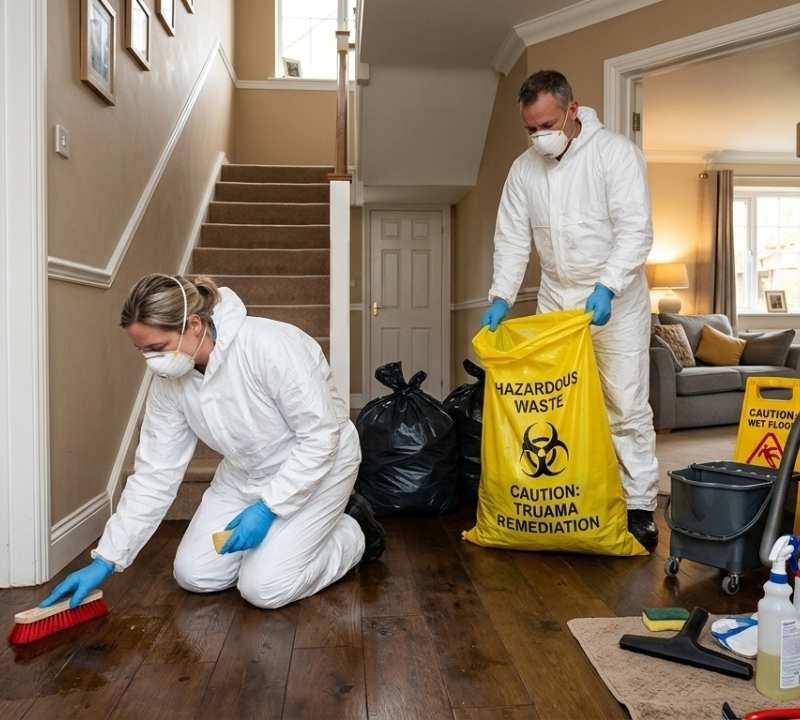

Every hour that passes after an unattended death is discovered allows contamination to penetrate deeper into structural materials. Bodily fluids continue spreading through porous surfaces, odours continue saturating materials, and biological activity continues degrading environments.
In the first 24 to 48 hours after discovery, prompt cleaning can often prevent permanent structural damage. Once fluids have saturated into subfloors or wall cavities, restoration becomes more invasive and expensive. Rapid response from a trusted specialist cleaning company protects the property itself, not just surface conditions.
Odour penetration follows similar patterns. Fresh contamination responds better to treatment than contamination that's had weeks to embed into materials. The longer decomposition products remain in contact with fabrics, timber, and drywall, the more difficult complete odour neutralisation becomes.
Health risks also escalate with time. Harmful bacteria multiply rapidly in biological material. What starts as localised contamination spreads through insect activity and environmental factors. The risk assessment becomes more complex and the required safety measures more extensive when cleanup is delayed.
We've seen cases where property owners waited days or weeks before arranging professional cleanup, often because they underestimated severity or hoped to save money attempting it themselves. These delays consistently result in more structural damage, higher costs, and more extensive removal of materials that might have been saved with faster intervention.
Northern Cleanup's emergency response capability exists specifically to prevent these complications. When you call, we mobilise quickly because we understand how time impacts both the technical challenges of remediation and the financial implications for property owners. Faster response genuinely results in better outcomes across every measure that matters.
If you're dealing with an unattended death situation, Northern Cleanup is ready to help right now. We provide free, no-obligation quotes that clearly outline what work is needed and what it will cost.
Our quotes include the complete scope of services from initial assessment through final verification. We explain which materials require removal, what cleaning methods we'll use, how we'll handle odour neutralisation, and what timeline you can expect. There are no hidden costs or surprises.
We understand these situations are deeply distressing and often come with time pressure. Our quoting process is fast and straightforward. In many cases we can provide initial estimates over the phone based on the information you share, then confirm details once we assess the property in person.
Contact Northern Cleanup now on our emergency line. We're available around the clock because unattended death cleanup can't wait for business hours. Whether you're a property manager, property owner, or family member dealing with the aftermath, we have the training, equipment, and experience to restore the environment safely.
Our specialist teams handle biohazard remediation with the technical expertise these situations demand and the discretion that circumstances require. Let Northern Cleanup take this burden from you so you can focus on what matters most.
Get your free quote today and let us begin the process of restoring safety to the affected property.